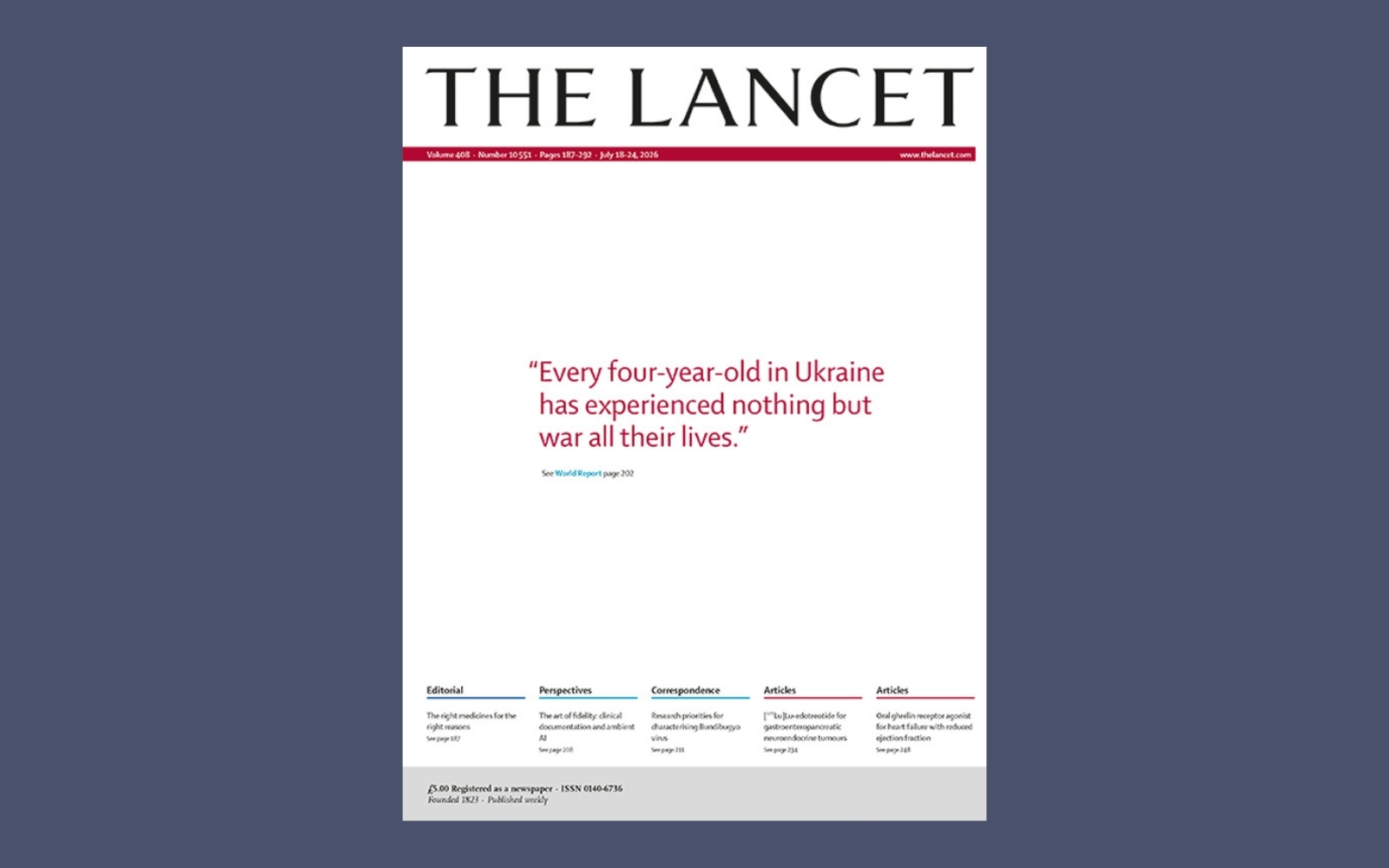
The Lancet | By Philip J Landrigan and Brita E Lundberg
By focusing narrowly on reactor operations, portraying reactor hazards as “extremely small”, and ignoring nuclear energy’s other dangers, Talha Burki’s World Report supports the mendacious narrative that nuclear power is a “safe, clean, and affordable” solution to both rising electricity demand and climate change.
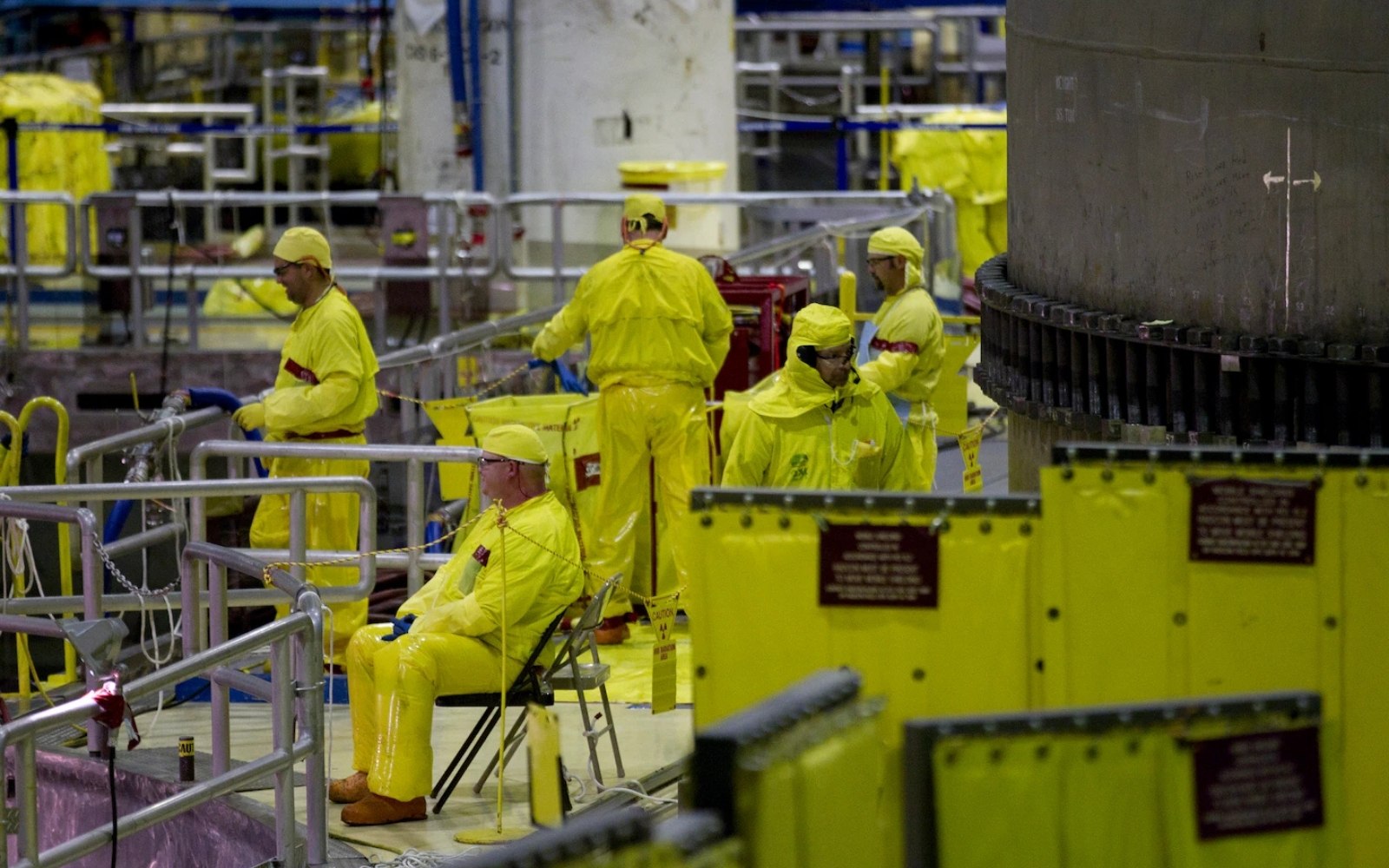
The proposed change, which would end a requirement that plants limit workers’ radiation exposure to “as low as reasonably achievable,” has alarmed nuclear safety advocates.
Environmental laws should be adhered to not abolished, says Diane Curran. For 45 years, I have represented environmental organizations and state and local governments in US Nuclear Regulatory Commission (NRC) licensing and enforcement proceedings, as well as in federal court. Today, more than ever, we need to talk about climate change.
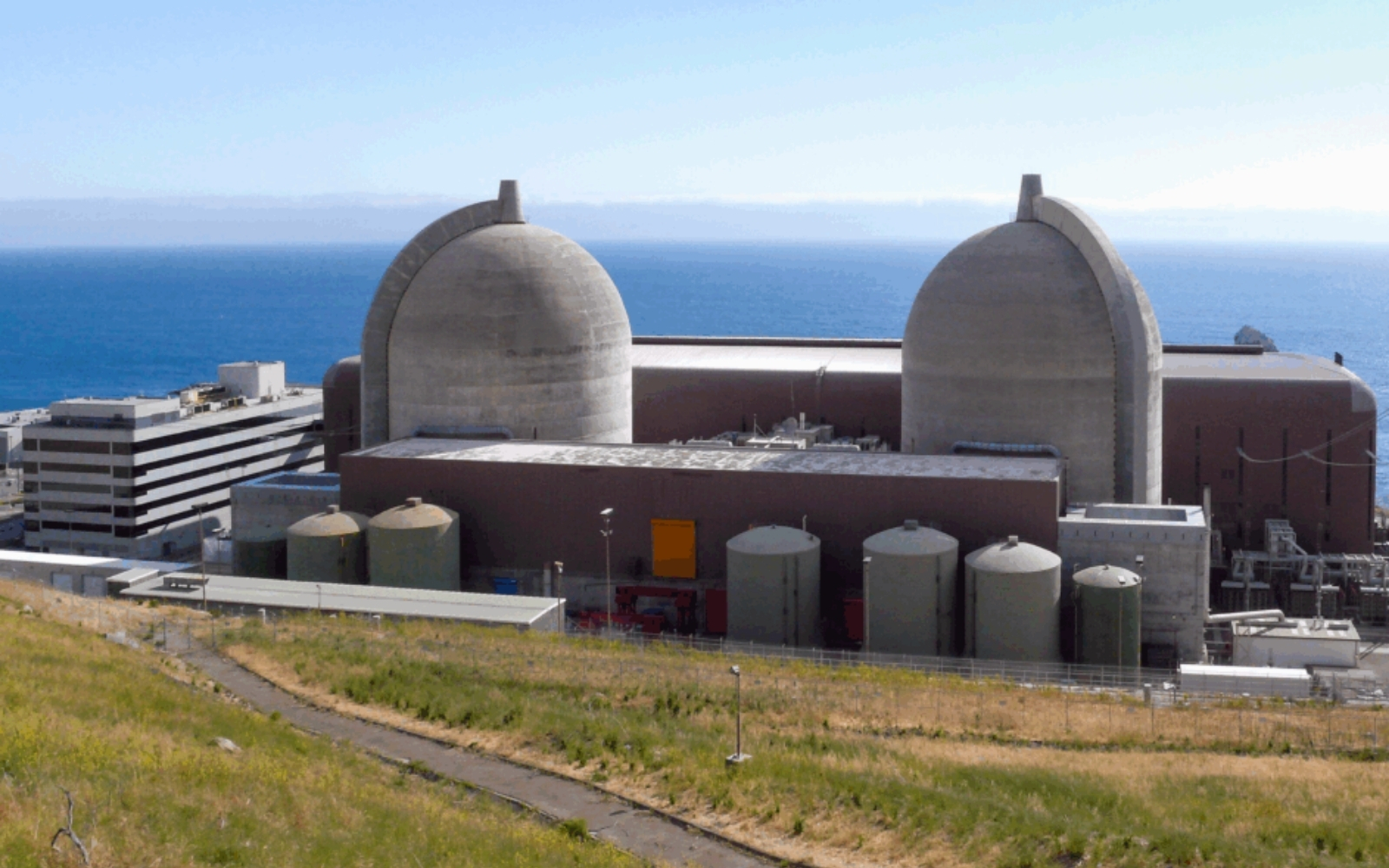
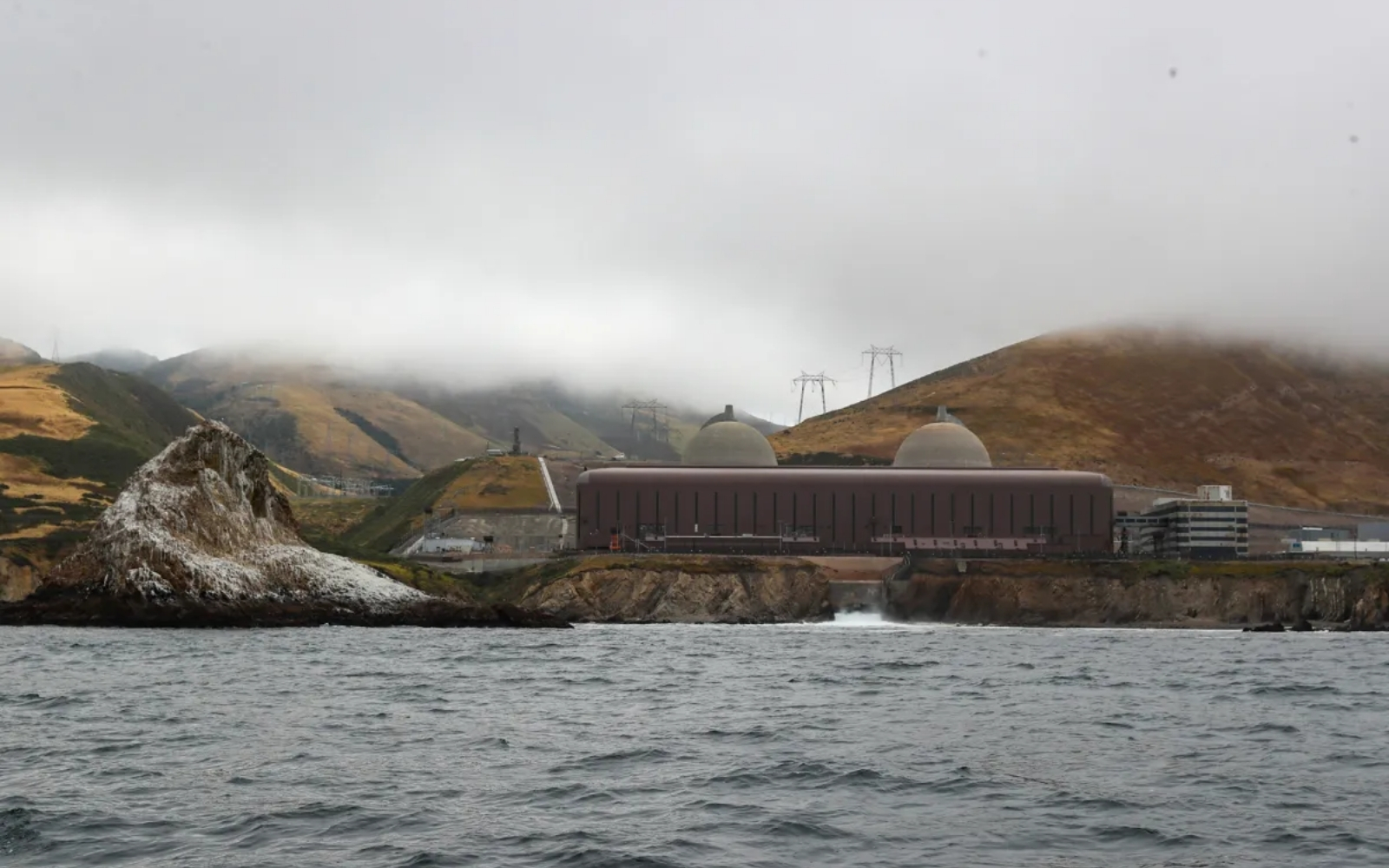
San Luis Obispo, CA — The Nuclear Regulatory Commission’s decision to exempt Pacific Gas & Electric (PG&E) from a review by the Advisory Committee on Reactor Safeguards (ACRS) as part of Diablo Canyon’s license renewal process—on its own initiative—is reckless, unjustified, and dangerous.
New Times | By Gianna Patchen and Andrew Christie
The Diablo Canyon Power Plant was supposed to close last year. Now the five-year extension that kept the plant open may become a 20-year extension. Over the past few months, the San Luis Obispo County Board of Supervisors and several local city councils with an eye on tax revenues have been urging state legislators to extend Diablo’s life all the way to 2045. Now would be a good time to revisit the serious questions about Diablo Canyon’s continued operation.
Independent experts have deemed the aging Diablo Canyon nuclear power plant unsafe & unneeded, so why are Uncle Sam & California so intent on gambling to keep it open?
Gov. Gavin Newsom assured lawmakers federal funds would eventually cover a $1.4 billion loan to keep the Diablo Canyon nuclear power plant open. They could fall $588 million short.
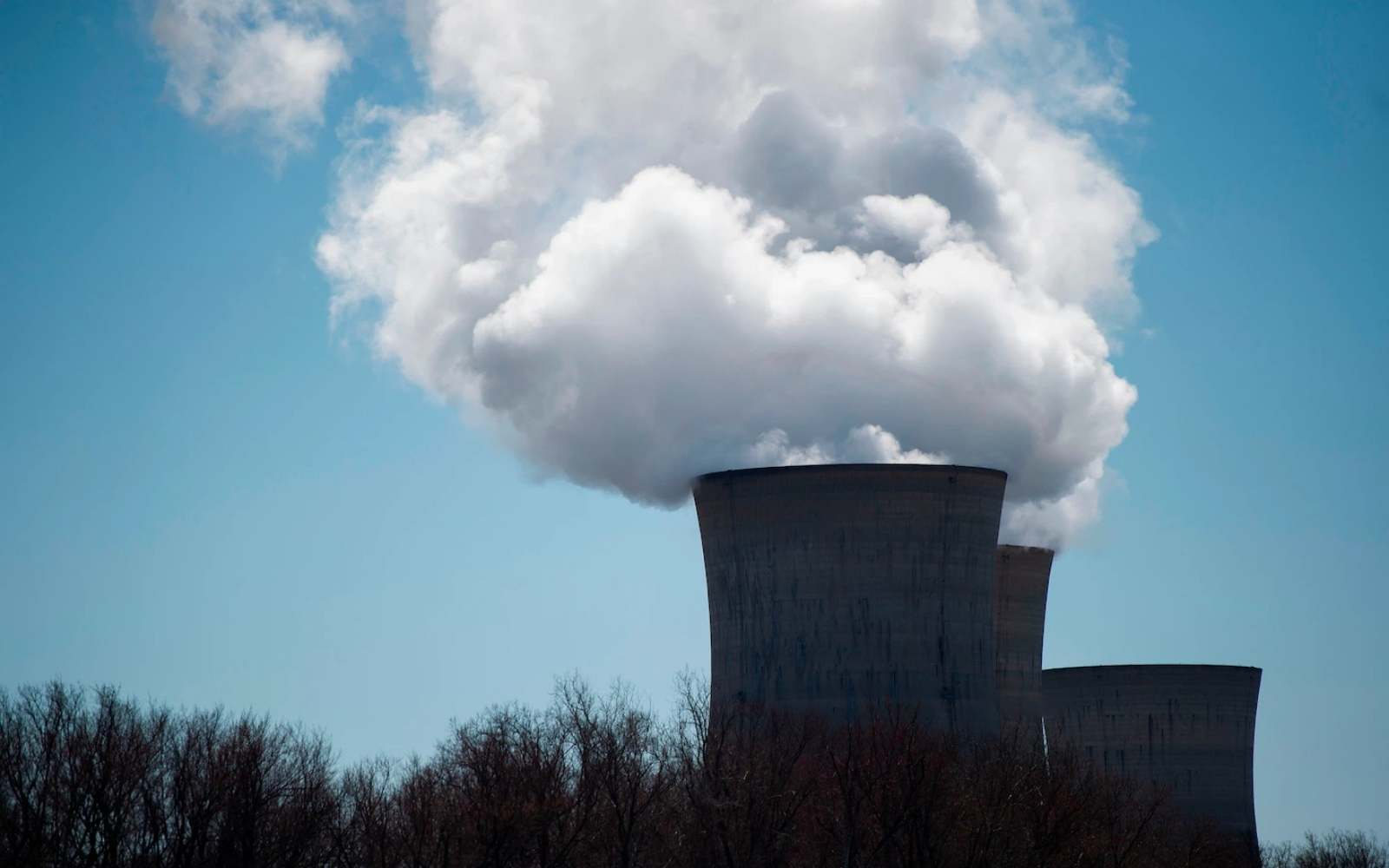
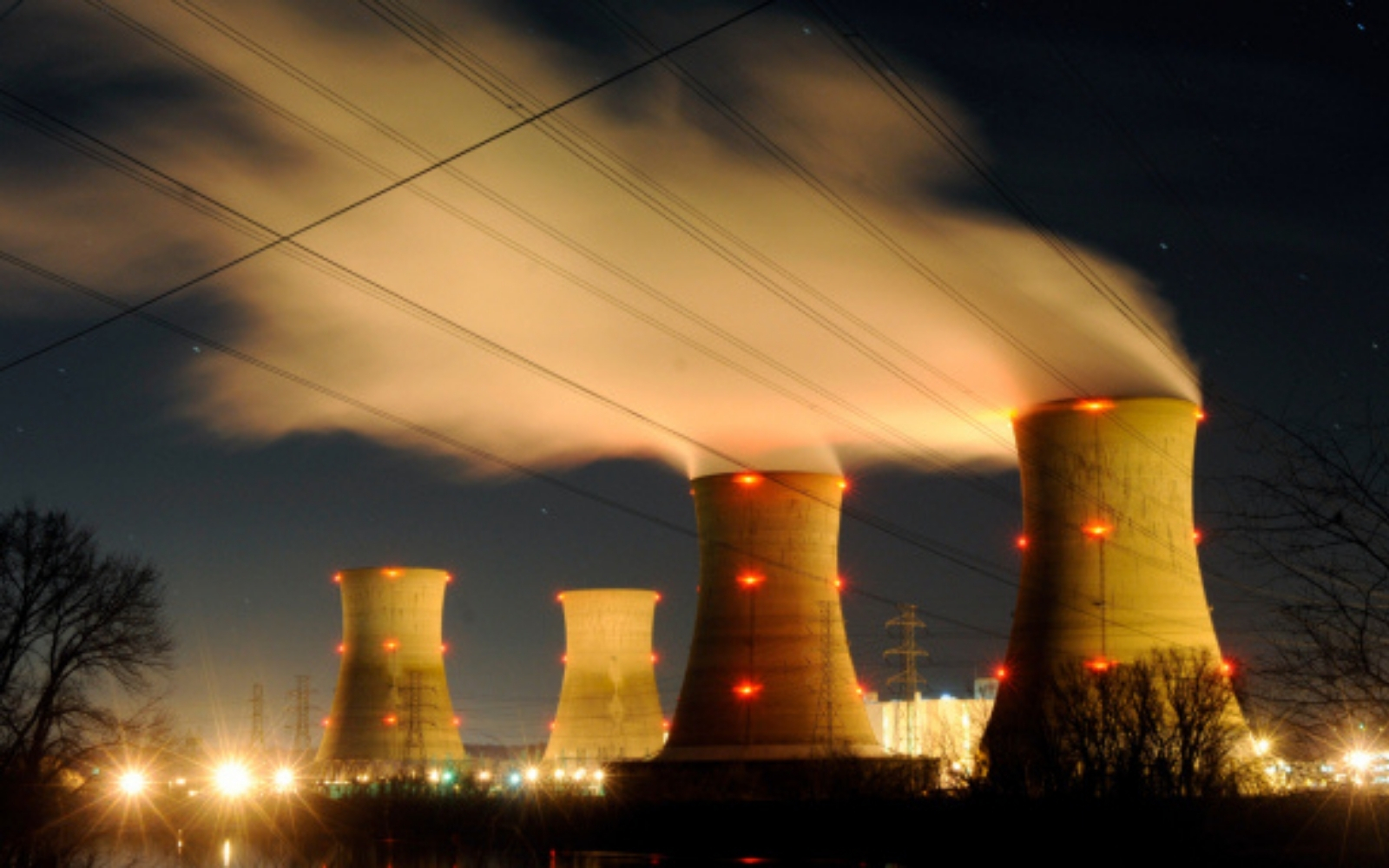
The recent news that Microsoft has made a deal to restart the Three Mile Island Nuclear Power Plant to run its AI data centers brings together two technologies that have each been described as having the potential for a “nuclear-level catastrophe.”
Putting aside whether AI is mature enough to be feeding it with astronomical amounts of our energy supplies, powering it with renewable energy is critical for our energy future and safety.
Mark Jacobson, director of Stanford’s atmosphere and energy program, finds that “Every dollar spent on nuclear is one less dollar spent on clean renewable energy and one more dollar spent on making the world a comparatively dirtier and more dangerous place, because nuclear power and nuclear weapons go hand in hand.”